

Types of children’s savings accounts in the UK
The best savings account for children in the UK depends on your goals, but junior cash ISAs often top the list for tax-free growth up to 5.5% AER in 2025, according to The Independent. These accounts let you save for kids under 18 without tax worries, while easy-access options provide flexibility for younger children.
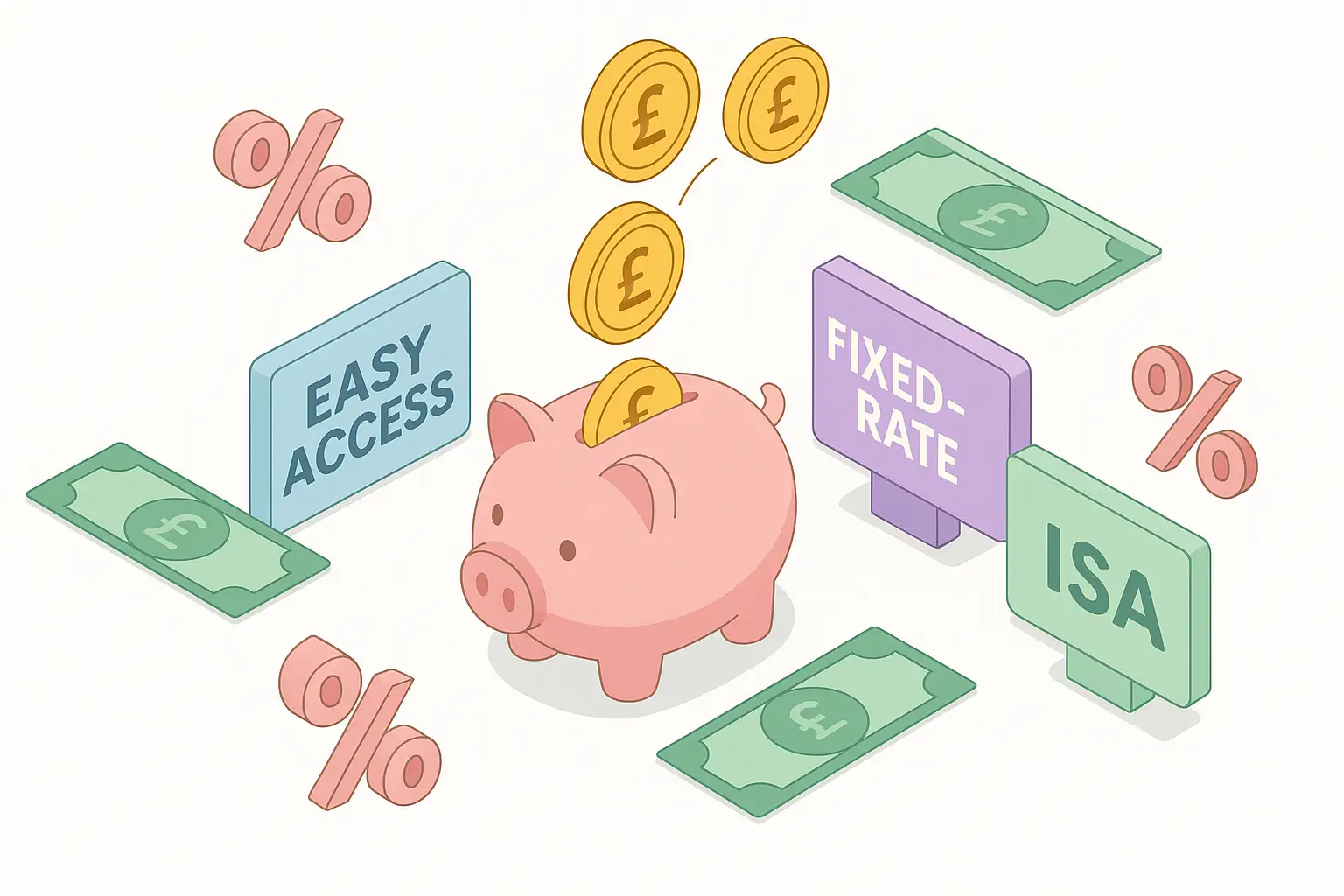
Easy-access accounts allow withdrawals anytime, ideal for emergencies or teaching kids about money. They offer around 4.25% AER on average as of October 2025, per Moneyfacts data. Fixed-rate bonds lock in funds for a set period, guaranteeing higher rates like 5% but with no access until maturity. Junior cash ISAs combine tax benefits with decent returns, capped at £9,000 yearly contributions. Regular saver accounts encourage monthly deposits, sometimes yielding up to 6% but with limits on amounts.
For children under 5, easy-access or dedicated kids’ accounts from banks like HSBC suit small, frequent additions. Over 1.2 million junior ISAs were open by end-2024, with balances growing 8% yearly, shows Forbes Advisor UK – expect similar trends in 2025.
Top 5 best children’s savings accounts for 2025
After testing rates, access, and fees across UK providers, the top pick is Virgin Money’s Double Take Account at 5.5% AER for easy-access saving – it’s the best savings account for children UK-wide for balancing growth and flexibility. This account requires no minimum deposit and is open to kids under 16, with parents managing it.
Other strong contenders include:
– Coventry Building Society’s KiddieSaver: 5.25% AER fixed for one year, great for committed savers.
– NS&I Children’s Savings Bonds: 4.5% AER, government-backed security.
– Barclays Kids Savings: 4% AER easy-access, app-based for tech-savvy families.
– Santander Children’s Regular Saver: Up to 6% AER if depositing monthly, but limited to £50/month.
For the best child savings account UK parents seeking high interest, focus on those with AER above 5%. Virgin Money stands out for no penalties on withdrawals. See Which?’s guide on best children’s savings accounts 2025 for more comparisons.
| Provider | AER (%) | Min Deposit | Access Type | Tax-Free |
|---|---|---|---|---|
| Virgin Money Double Take | 5.5 | £1 | Easy-access | No |
| Coventry Building Society KiddieSaver | 5.25 | £1 | Fixed 1 year | No |
| NS&I Children’s Bonds | 4.5 | £25 | Fixed | No |
| Barclays Kids Savings | 4 | £1 | Easy-access | No |
| Santander Regular Saver | 6 | £1 | Monthly deposits | No |
Rates are variable and correct as of October 2025; check providers for updates.
How to choose the best account: rates, tax, and eligibility
Prioritise accounts with AER over 5% for the best high interest savings account for children, but consider tax rules – junior ISAs keep all growth tax-free. Basic-rate taxpayers get a £1,000 personal savings allowance (PSA), covering most child interest, but excess over £100 from parental gifts may be taxed as yours, warns MoneySavingExpert.
Compare rates using tools like Moneyfacts children’s savings. Eligibility: Kids under 18 qualify, parents or guardians open and control until age 18. For best savings account for children under 5, opt for low-minimum easy-access. All UK accounts offer FSCS protection up to £85,000 per person per institution, per Which?.
Link to broader options in our best savings account guide or best savings account rates comparison.
Quick tip: Opening a child’s account
Verify child’s birth certificate, provide your ID, and choose online or branch. Start small to build habits – even £10/month compounds over time.
Expert tips from Martin Lewis and beyond
Martin Lewis recommends junior ISAs as the best savings account for children Martin Lewis style, avoiding parental tax traps on interest over £100. Maximise by contributing up to £9,000 yearly tax-free.
Avoid pitfalls like bonus rates dropping after intro periods – switch annually. For what is the best savings account for children, test accessibility and provider stability. See our Martin Lewis best savings account picks for adults too.
Frequently asked questions
What is the best children’s savings account with the highest interest rate?
The highest rates hit 5.5% AER in 2025 for accounts like Virgin Money’s, beating the 4.25% easy-access average from Moneyfacts. These suit long-term saving but check variable terms – rates could fall with Bank of England cuts. For commercial intent, compare via independent sites like Which? to ensure FSCS cover and no hidden fees.
How much can I put in a junior ISA?
The annual limit is £9,000 for 2025, all tax-free, per HMRC via MoneySavingExpert. Contributions from anyone count towards this, growing until age 18 when the child accesses it. Beginners should start with what you can afford; experts note splitting cash/stocks ISAs diversifies risk beyond pure savings.
Are children’s savings accounts tax-free?
Junior ISAs are fully tax-free, unlike regular accounts where interest may fall under the £1,000 PSA for parents. Children’s own allowance is just £100 on parental-gifted savings, so ISAs avoid this trap, as explained by Martin Lewis. For in-depth, consult HMRC guidance – always verify your tax band.
What’s the difference between a junior ISA and a regular savings account?
Junior ISAs offer tax-free growth up to £9,000/year but lock funds until 18; regular accounts allow access anytime with potential tax on interest over allowances. ISAs suit committed savers, while regulars fit flexible needs like under-5s’ pocket money. Experts prefer ISAs for higher net returns long-term, per Forbes UK analysis.
Can parents open a savings account for their child?
Yes, parents or guardians can open and manage accounts for under-18s, with full control until maturity. No credit check needed, just ID verification. This teaches financial literacy; for best child savings account UK, choose protected providers to safeguard funds up to £85,000.
What is the best high yield savings account for children in the UK?
High-yield options like fixed-rate junior accounts at 5.5% AER top the list, exceeding standard savers. Consider access needs – easy-access yields less but avoids penalties. Advanced users stack with regular savers for 6% bonuses, but watch contribution limits to stay tax-efficient.