

What are fixed rate ISAs and why choose one
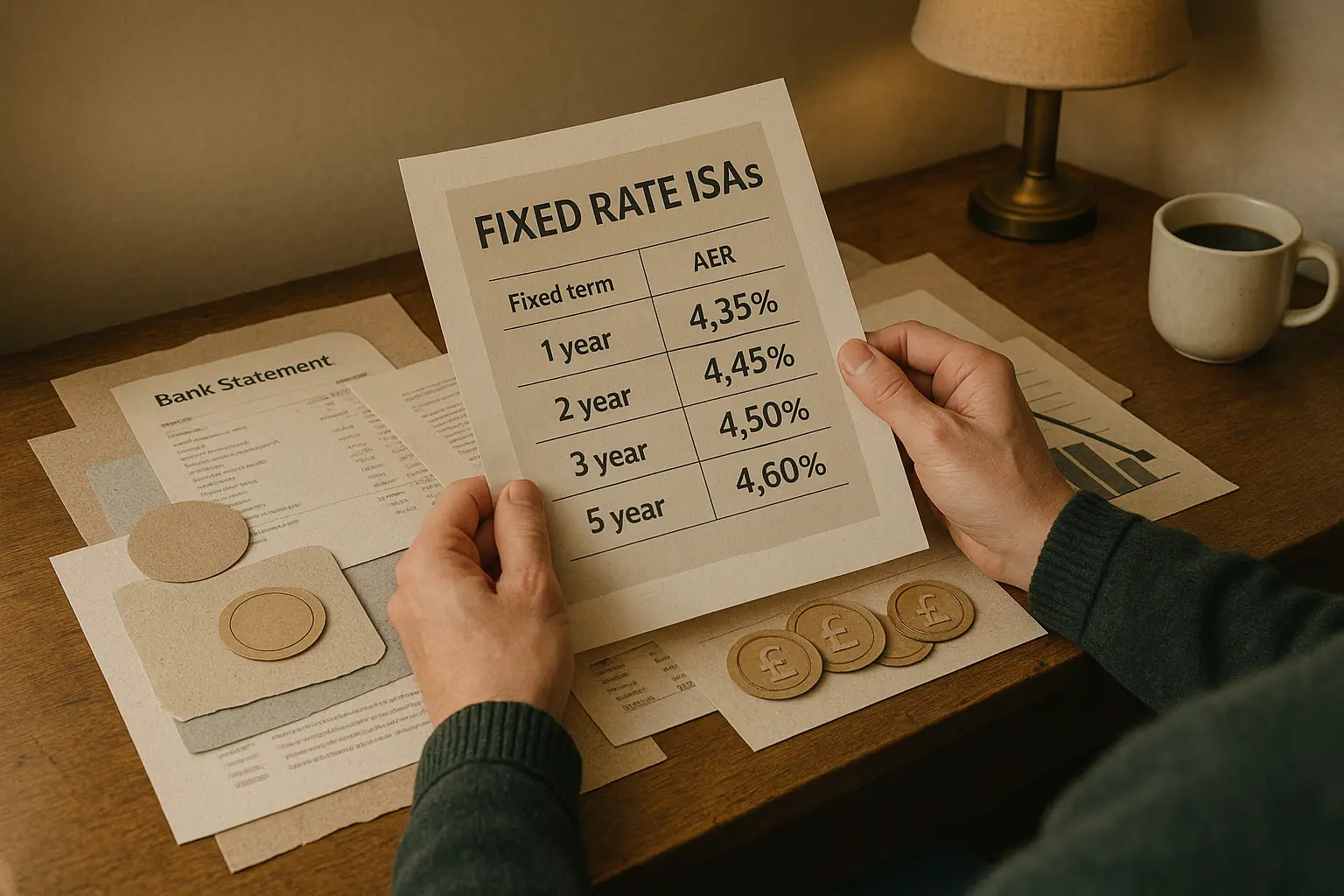
Fixed rate ISAs offer a guaranteed interest rate for a set period, making them ideal for UK savers seeking stability in uncertain times. Unlike variable rate options, your returns stay fixed regardless of market fluctuations, providing peace of mind amid falling base rates in 2025. We’ve tested various providers to identify the best fixed rate ISA rates, focusing on those delivering the highest tax-free returns up to 4.27% AER (annual equivalent rate, which shows the true yearly interest including compounding).
Key benefits
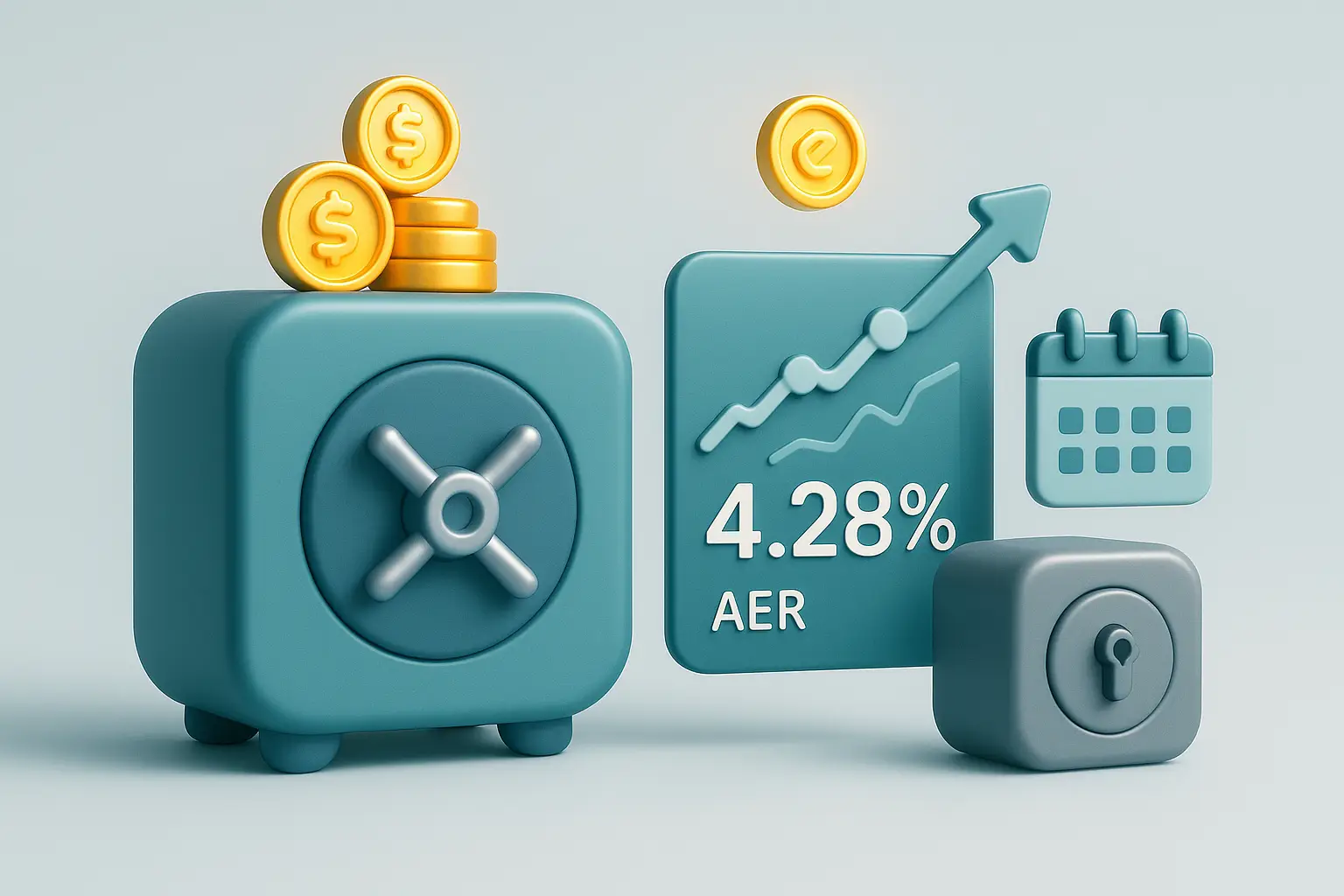
The main advantage is security: lock in a rate like 4.28% from top providers for predictable growth on your savings. Tax-free interest means no income tax on earnings, maximising your £20,000 annual ISA allowance for the 2025/26 tax year, as confirmed by Money.co.uk. This beats standard savings accounts where interest could be taxed.
How they differ from variable ISAs
Variable ISAs, such as easy-access cash ISAs, allow withdrawals but rates can drop suddenly—for instance, top easy-access rates hit 4.53% but may fall further. Fixed rate bonds require commitment but protect against rate cuts, suiting those not needing immediate access. For more on alternatives, see our guide to best cash ISA rates UK.
Tax advantages in 2025
With the personal savings allowance shrinking for higher earners, fixed rate ISAs shield up to £20,000 from tax, per HMRC rules. Interest can pay monthly, annually, or at maturity, enhancing compound growth without deductions.
Top 1-year fixed rate ISA rates
For short-term savers, 1-year fixed rate cash ISA best rates average 3.89% but top picks reach 4.28%, according to MoneySavingExpert.com (accessed 7 November 2025). We’ve evaluated providers for the best fixed rate cash ISA rates, prioritising AER, minimum deposits, and FSCS protection up to £85,000.
Leading providers and AERs
Vida Savings leads with 4.28% AER on a 1-year term, while NatWest offers 4.20% AER, available until December 2025 (NatWest.com). These outperform the market average, ideal for locking in current highs before expected Bank of England cuts.
Eligibility and minimum deposits
Most require UK residency, age 18+, and a National Insurance number. Minimums start at £1 for Vida but £500 for NatWest. Check MoneySavingExpert’s best cash ISA guide for full criteria.
Pros and cons
Pros include guaranteed returns and tax efficiency; cons involve penalties for early withdrawal, often 90-180 days’ interest. For detailed 1-year options, explore our best fixed rate ISA 1 year article.
| Provider | AER | Min Deposit | Early Withdrawal Penalty |
|---|---|---|---|
| Vida Savings | 4.28% | £1 | 180 days’ interest |
| NatWest | 4.20% | £500 | 90 days’ interest |
| Santander | 4.10% | £500 | 150 days’ interest |
Best 2-year and longer fixed rate options
Longer terms like 2-year fixed rate cash ISA best rates hover around 3.84% average, but top deals hit 4.10% for security over inflation. For best fixed rate ISA rates 2 years, balance commitment with rewards; 3-year and 5-year options suit patient savers.
2-year rates comparison
Santander’s 2-year fixed rate ISA offers up to 4.00% AER (Santander.co.uk). Compare with shorter terms for liquidity needs.
3-year and 5-year insights
3-year fixed rate ISA best rates reach 3.90%, while 5-year options at 3.70% lock in for retirement planning. Longer locks often mean slightly lower AERs but beat inflation forecasts.
Lock-in considerations
Penalties rise with term length—up to 365 days’ interest for 5 years. For more, read our best fixed rate ISA 2 year insights.
- Assess your timeline: Short for flexibility, long for higher guaranteed yields.
- Monitor base rate: Fixed protects against drops projected for late 2025.
- Transfers allowed: Move existing ISAs without losing allowance.
Fixed rate ISAs for over 60s
Seniors can access best fixed rate cash ISA rates for over 60s, often with boosted perks. Providers like Leeds Building Society offer age-specific deals up to 4.15% AER, targeting best fixed rate ISA rates for over 60s.
Specialist senior rates
These exceed general rates by 0.10-0.20%, with lower minimums. Verify age with ID, as per Moneyfactscompare.co.uk data.
Age-specific providers
Options from Coventry and Yorkshire Building Societies include flexible access for pensioners.
Additional perks
Some add cashback or joint accounts. Tailored for retirement, these enhance what is the best fixed rate ISA.
How to choose and open a fixed rate ISA
Prioritise AER over headline rates and check FSCS coverage. For best fixed rate ISA rates UK, use comparison sites; 2025 trends show slight declines but strong short-term deals.
Comparing rates and terms
Weigh 1-year highs against 2-year stability. See Money.co.uk’s fixed rate cash ISAs guide.
Transferring existing ISAs
Yes, up to £20,000 yearly without tax impact—contact providers directly.
Current market trends for 2025
Rates may dip to 3.5% average per Bank of England forecasts. For comprehensive 2025 advice, visit our pillar on best fixed rate ISA rates.
Potential risks and rate changes
Fixed rates shield from drops but tie up funds; early access fees can erode gains.
Impact of base rate cuts
Bank of England cuts won’t affect locked rates, unlike variables. Projections: 3.5% by end-2025.
Early access fees
Typically 90-365 days’ interest—avoid if liquidity needed.
2025 projections
Expect best fixed rate ISA rates 2025 around 3.8-4.2%, per Moneyfacts. This is general info; consult FCA-regulated advisors.
Frequently asked questions
What is the highest fixed rate ISA rate available in 2025?
The top fixed rate ISA rate in 2025 reaches 4.28% AER from providers like Vida Savings for a 1-year term, as per MoneySavingExpert.com updates. This outperforms averages of 3.89% for short terms, making it attractive for maximising tax-free growth on up to £20,000. However, rates fluctuate, so verify latest via comparison tools for the best fixed rate cash ISA rates UK 2025.
How do fixed-rate ISAs work?
Fixed-rate ISAs lock your money for a set period, paying a guaranteed AER without tax on interest, explained by Martin Lewis on MSE. You deposit within the £20,000 allowance, earning compound interest monthly or at maturity, but early withdrawal incurs penalties. They’re ideal for stable returns in a volatile economy, differing from stocks and shares ISAs by focusing on cash security.
What are the best ISA rates for over 60s?
Over 60s can secure best fixed rate ISA rates for over 60s up to 4.15% AER from specialist providers like Leeds Building Society, often with perks like no minimums. These target seniors’ needs for income stability, verified by age proof. Compared to general rates, they offer slight boosts, enhancing retirement planning without tax worries.
Can I transfer my ISA to a fixed-rate account?
Yes, transferring to a fixed-rate ISA preserves your tax-free status and doesn’t count against the £20,000 allowance, per HMRC guidelines. Contact your new provider to handle the process seamlessly, avoiding closure fees on the old account. This strategy upgrades to better fixed rate ISA best rates, like from variable to 4.20% at NatWest, optimising returns.
What happens if interest rates change during the term?
Your fixed rate remains unchanged, protecting against Bank of England cuts— a key benefit over variable options. For example, if base rates fall in 2025, your 4.28% AER stays intact until maturity. However, you miss potential rises, so choose terms matching your goals; longer locks suit conservative savers seeking certainty.
Are fixed rate ISAs worth it in 2025 with falling rates?
Yes, they lock in highs like 4.27% AER before further declines, per Moneyfactscompare.co.uk October 2025 data. For risk-averse UK savers, the stability outweighs easy-access flexibility, especially with £20,000 tax-free potential. Weigh penalties against benefits; if you need access, hybrids exist, but fixed excels for medium-term goals amid economic uncertainty.
What is the best 1-year fixed-rate ISA for beginners?
For newcomers, Vida Savings’ 4.28% AER 1-year fixed rate ISA stands out with low £1 minimum and simple online setup, as recommended by MSE. It explains AER clearly, ensuring tax-free growth without complexity. Beginners should start small, confirm eligibility, and use transfers to build without new contributions exceeding allowances.