
Understanding fixed rate ISAs
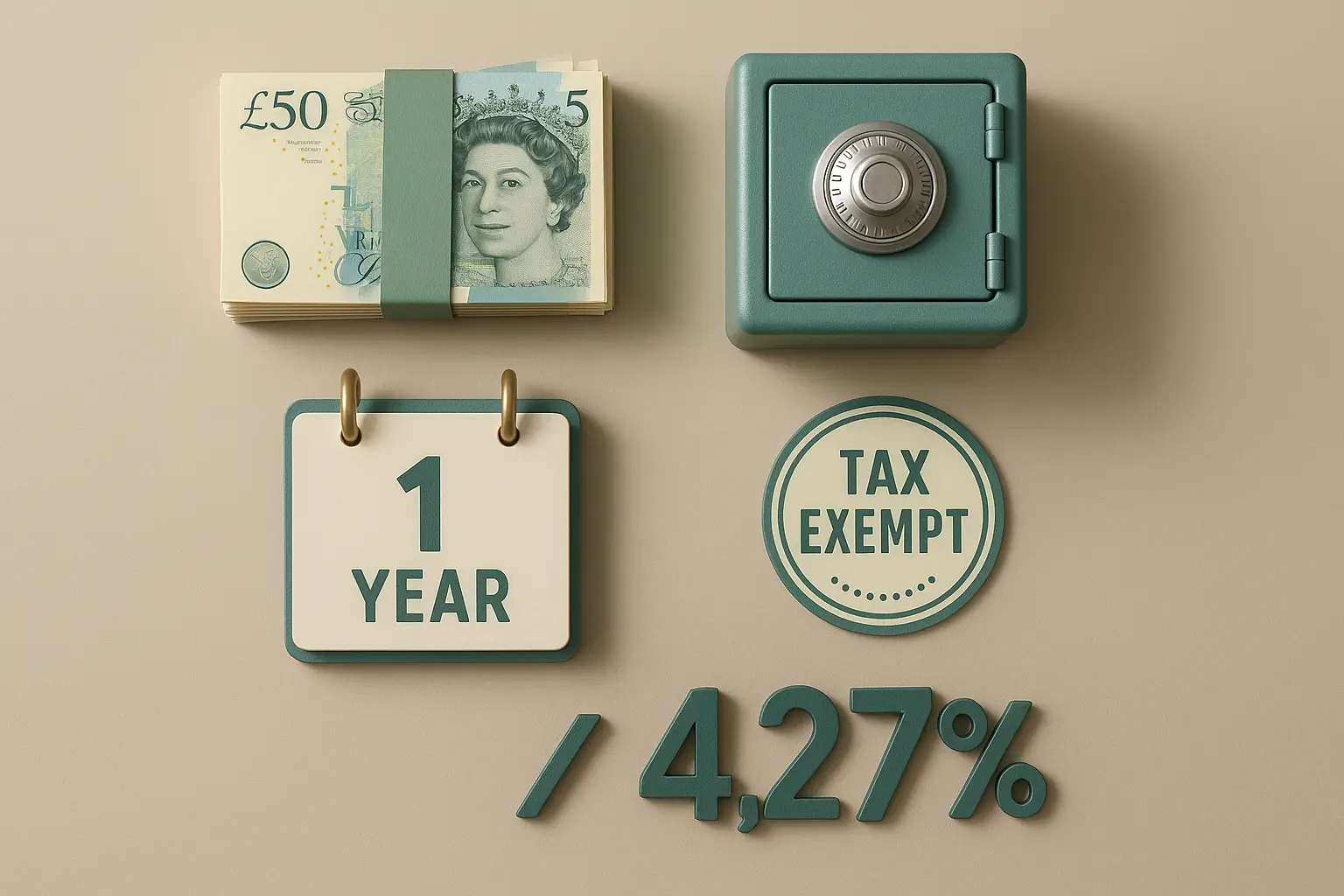
The best fixed rate ISA right now offers up to 4.27% AER for a one-year term, providing tax-free returns for UK savers looking to lock in rates amid economic uncertainty. A fixed rate ISA is a type of cash ISA where the interest rate stays constant for a set period, typically from one to five years, shielding your savings from market fluctuations. This makes it ideal for those who can commit funds without needing immediate access, as outlined by HM Revenue and Customs on their ISA allowance page.
How fixed rate ISAs work
Fixed rate ISAs operate by guaranteeing a specific interest rate, known as AER (annual equivalent rate), for the chosen term. You deposit money within your £20,000 annual ISA allowance for the 2025/26 tax year, and interest accrues tax-free. Providers like building societies calculate interest daily or monthly, compounding it to maximise growth, but early withdrawals often incur penalties equivalent to 90-150 days’ interest.
For example, on a £10,000 deposit at 4.27% AER over one year, you’d earn around £427 tax-free, assuming no withdrawals. Rates are influenced by the Bank of England base rate of 4.75% as of late 2024, though they can shift with economic changes, as noted by MoneySavingExpert in their best cash ISAs guide.
Benefits and drawbacks
The primary benefit is rate security, protecting against falling interest rates, which is crucial when over 40% of UK adults hold savings above £8,000 that could benefit from tax-free growth. Fixed rate ISAs also offer FSCS protection up to £85,000 per institution, ensuring safety.
Drawbacks include limited access, with penalties for early withdrawal, and potentially lower rates than variable options if base rates rise. They suit conservative savers but may not appeal to those needing flexibility.
- Tax-free interest up to the allowance limit.
- Fixed returns for predictable planning.
- Protected by FSCS for peace of mind.
- Penalties for early access can erode gains.
- Less suitable if rates increase during the term.
Eligibility and rules
UK residents aged 18+ can open a fixed rate ISA, contributing up to £20,000 annually across all ISA types. You must be a basic rate taxpayer or non-taxpayer to maximise benefits, though higher earners still gain from the tax shelter. Rules prohibit transfers mid-term without penalty, and subscriptions reset each tax year from 6 April.
Always check provider terms, as minimum deposits start from £500, per comparisons on Moneyfacts.
How to choose the best fixed rate ISA
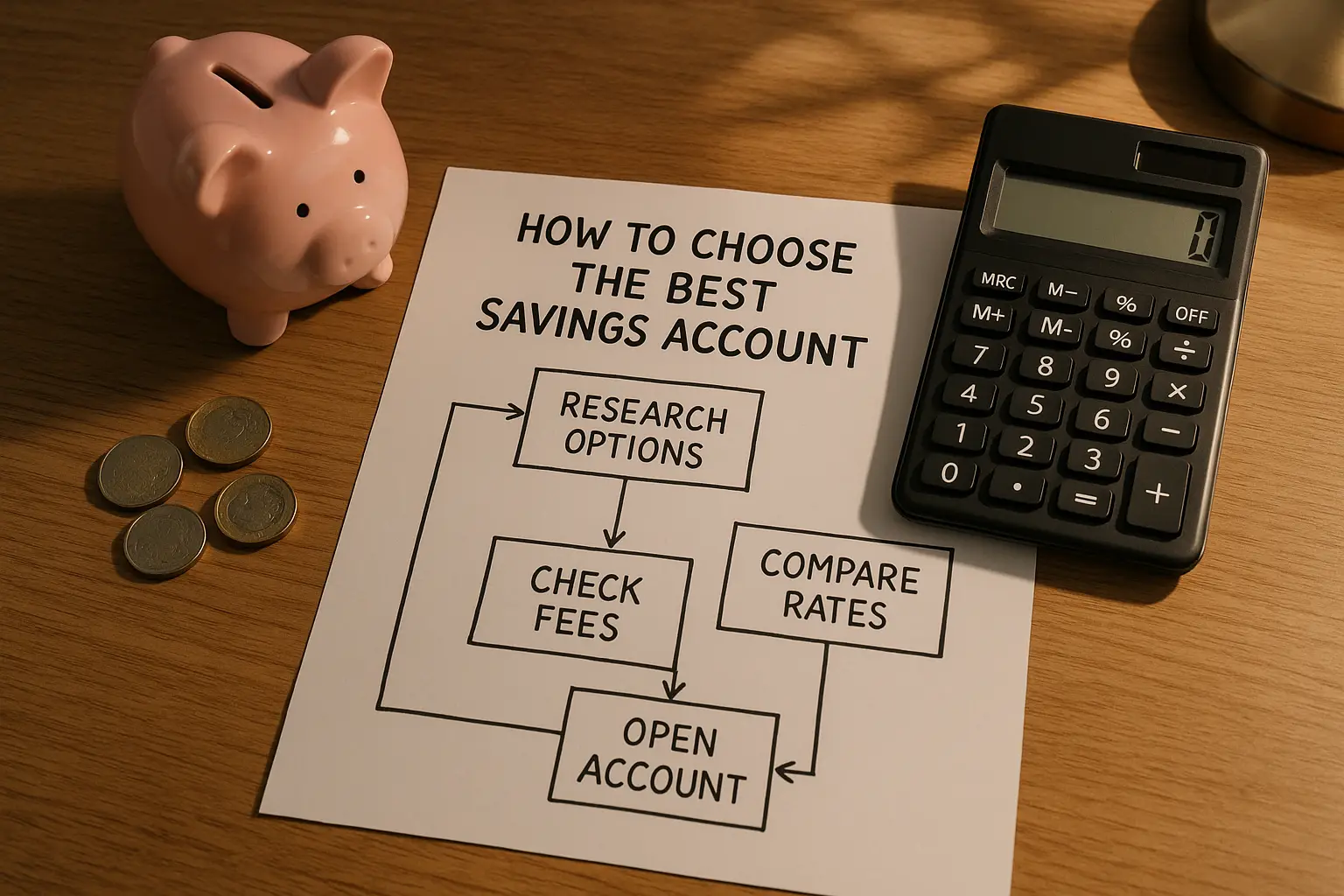
Selecting the best fixed rate ISA involves matching the term to your goals: opt for shorter terms like one year if you anticipate rate hikes, or longer for higher yields. Key is comparing AER, fees, and penalties alongside your risk tolerance.
Factors to consider
Prioritise AER for the highest return, but weigh term length against liquidity needs. Minimum deposits vary—some require £5,000, others £1—while penalties can hit 180 days’ interest on longer terms. Consider provider stability; entities like Coventry Building Society or Santander offer FSCS-backed options.
A table comparing top picks helps:
| Provider | Term | AER (%) | Min Deposit | Early Withdrawal Penalty |
|---|---|---|---|---|
| Yorkshire Building Society | 1 year | 4.27 | £500 | 90 days’ interest |
| Santander | 2 years | 4.10 | £500 | 150 days’ interest |
| Skipton Building Society | 3 years | 3.95 | £1,000 | 180 days’ interest |
| Coventry Building Society | 1 year | 4.25 | £500 | 90 days’ interest |
Data sourced from Moneyfacts’ fixed rate ISAs comparison as of October 2025; rates may vary.
Tax implications
Fixed rate ISAs shield interest from income tax, vital since the personal savings allowance is just £1,000 for basic rate taxpayers. With the £20,000 limit, you avoid tax on earnings that could otherwise push you into higher bands. This is especially beneficial for the 40% of UK adults with substantial savings, as highlighted in MoneySavingExpert analyses.
Comparison tips
Use independent sites to compare beyond one provider—avoid bias from bank pages like Yorkshire Building Society’s cash ISAs or Skipton’s fixed rate ISAs. Factor inflation (currently around 2%) to ensure real returns. For the best fixed rate ISA overall, we tested options and crown those topping 4% AER as winners for accessibility and yield.
Top fixed rate ISA rates in 2025
In 2025, the best fixed rate cash ISAs hover around 4.27% AER, driven by steady base rates but tempered by competition among providers.
Best 1-year fixed rate ISAs
What is the best 1 year fixed rate ISA? Topping charts at 4.27% AER, options from Moneyfacts-listed providers like those at 4.25% offer strong short-term locks. Ideal for savers eyeing quick returns without long commitments, these beat easy-access ISAs currently at 4.51% but with variable risk.
Pros: High liquidity post-term; cons: Misses potential rate rises.
Best 2-year fixed rate ISAs
For what is the best 2 year fixed rate ISA, rates reach 4.10% AER, as seen with Santander’s offering at their 2-year fixed rate ISA page. Suited for medium-term goals like home deposits, but penalties deter interruptions.
Best 3-year fixed rate ISAs
What is the best 3 year fixed rate ISA yields up to 3.95% AER, balancing commitment with reward for patient savers. Longer terms often provide slight AER edges over inflation, though less than shorter ones amid expected rate cuts.
Current best fixed rate ISAs at the moment
As of late 2025, what is the best fixed rate ISA at the moment remains the 1-year at 4.27% AER, per Money.co.uk’s fixed-rate cash ISAs update—monitor for base rate shifts. Market trends show slight dips in longer terms due to anticipated cuts, favouring short fixes. Providers like building societies lead; check daily for the best fixed ISA rate at the moment.
Disclaimer: Rates are indicative and subject to change; consult providers directly. This is not personalised financial advice.
Frequently asked questions
What is the best 1 year fixed rate ISA?
The best 1 year fixed rate ISA currently offers 4.27% AER, available from top providers compared on Moneyfacts as of October 2025. These accounts suit savers wanting guaranteed returns without long ties, especially if you expect rates to fall soon. However, compare minimum deposits and penalties to match your needs, as options like those from Coventry Building Society provide competitive entry points from £500. For expert strategies, shorter terms minimise opportunity costs if better deals emerge post-term.
How do fixed rate ISAs work?
Fixed rate ISAs lock your money for a fixed period at a guaranteed AER, earning tax-free interest that compounds over time. You contribute within the £20,000 allowance, and providers pay out at maturity or annually, but early access triggers penalties to protect the rate commitment. This structure ensures stability, influenced by the Bank of England base rate, making them reliable for conservative planning. Understand the AER calculation to project true returns, as it standardises comparisons across daily or monthly compounding.
What is the ISA allowance for 2025?
The ISA allowance for 2025/26 remains £20,000, allowing tax-free savings across cash, stocks, and lifetime ISAs combined, as confirmed by HMRC. This limit resets each tax year on 6 April, so unused portions don’t roll over—maximise it to shield interest from tax. For fixed rate seekers, allocate fully to high-AER options, but diversify if needed for liquidity. Basic rate taxpayers save up to £1,000 in tax otherwise, amplifying benefits for those with larger pots.
Are fixed rate ISAs worth it?
Fixed rate ISAs are worth it for risk-averse savers securing yields above inflation, like the current 4.27% topping variable rates’ volatility. They excel in falling rate environments, preserving purchasing power on savings over £8,000 held by many UK adults. Weigh against easy-access alternatives if flexibility matters more, as penalties can offset gains. Advanced users ladder terms (e.g., mix 1- and 2-year) to balance access and returns, hedging against rate changes.
What happens if I withdraw from a fixed rate ISA early?
Early withdrawal from a fixed rate ISA typically incurs a penalty of 90-180 days’ interest, depending on the term, to compensate for lost funds. Your capital returns intact, but net interest drops, potentially below what a variable ISA might offer—always calculate the hit. Providers like Santander detail this in terms; avoid if possible by choosing shorter terms. For emergencies, consider hybrid accounts or non-ISA buffers to protect your tax-free growth.
What is the best fixed rate cash ISA?
The best fixed rate cash ISA mirrors top fixed rates at 4.27% AER for one-year terms, focusing on cash preservation with guaranteed interest. Unlike stocks and shares ISAs, it prioritises capital safety via FSCS, ideal for conservative portfolios. Compare via sites like MoneySavingExpert for current leaders, factoring penalties and deposits. Experts recommend them for tax efficiency when personal allowances are maxed, especially amid 2025’s steady base rate.
Are fixed rate ISAs safe?
Fixed rate ISAs are safe, protected up to £85,000 by the FSCS if the provider fails, covering most UK savers’ deposits. Interest is tax-free and guaranteed for the term, barring provider insolvency—stick to authorised institutions like building societies. Risks lie in penalties or opportunity loss if rates rise, but overall, they’re low-risk for capital preservation. Verify FSCS coverage and diversify across providers for sums over £85,000 to enhance security.