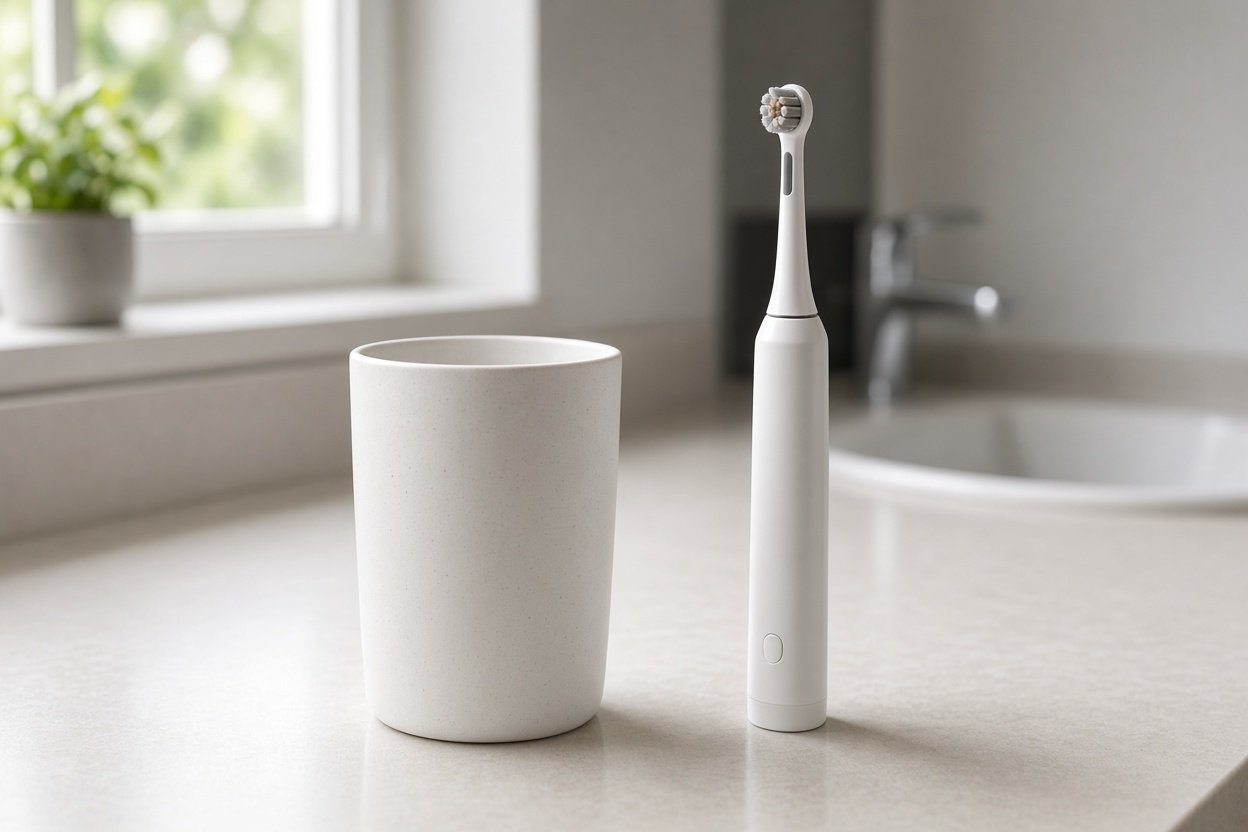
Best Electric Toothbrush UK: 7 Worth Buying
- Nyheter
Find the best electric toothbrush in the UK, including SURI 2.0, Oral-B iO3, Oral-B Pro 3 and Sonicare alternatives, with features and prices.

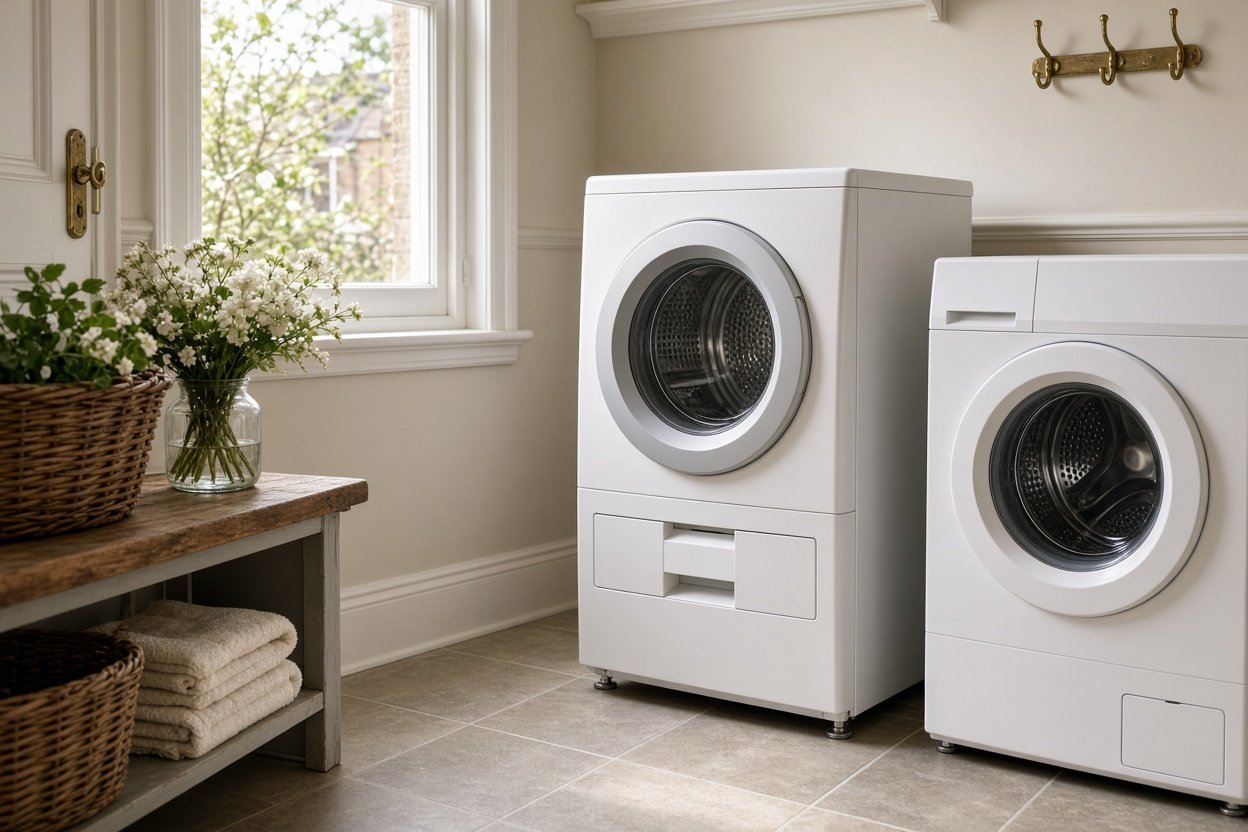

A condenser tumble dryer removes moisture from wet clothes by turning water vapour into liquid water. The water is collected in a tank or directed into a drain hose, so the machine does not need to send damp air outside through an external vent. That makes a condenser dryer more flexible to install than a vented tumble dryer.
In everyday buying advice, “condenser dryer” usually means a conventional condenser model. A heat pump tumble dryer also collects moisture as water and is technically a type of condenser dryer, but it uses a different system to reuse warm air. The distinction matters because conventional condenser dryers generally dry clothes faster, while heat pump models use less energy.
For a straightforward explanation of the difference between the main technologies, Beko’s comparison of heat pump and condenser dryers is a useful reference.
A conventional condenser dryer follows a repeating hot-air and cooling process:
This is a closed process inside the appliance. Unlike a vented tumble dryer, it does not expel hot, damp air through a hose to an outside wall. The basic air and moisture path is described by HomeServe’s guide to vented, condenser and heat pump dryers.
Many condenser dryers use a humidity sensor to stop the programme when the load is dry. Less expensive models may instead use a manual timer, so the drying controls are worth checking when comparing machines.
The best type depends on the installation space, drying speed and running-cost priorities. A vented model needs a suitable route for damp air to leave the property. A conventional condenser model avoids that requirement, while a heat pump model adds lower energy use at the expense of a higher purchase price and generally longer drying times.
| Dryer type | How moisture is handled | External vent needed | Typical strengths | Main trade-off |
|---|---|---|---|---|
| Vented | Hot, damp air is expelled outside through a hose or vent | Yes | Usually the cheapest to buy and can dry clothes quickly | Installation depends on a suitable external vent |
| Condenser | Moisture is cooled into liquid water and collected | No | More flexible installation and generally faster drying than heat pump models | Uses more energy than a heat pump model and may need tank emptying |
| Heat pump | Warm air is reused in a closed-loop system and moisture is collected as water | No | Uses less energy than conventional condenser dryers and is flexible to install | Usually costs more to buy and generally takes longer to dry clothes |
These differences mean there is no single winner for every household. A vented dryer can suit a home with an existing external outlet and a focus on purchase price. A condenser dryer can suit a room where creating an external vent is impractical. A heat pump dryer is the stronger option when reducing energy use is the priority. For a dedicated recommendation guide, see our best heat pump tumble dryer guide.
No. A condenser tumble dryer does not require an external air vent because it removes moisture by condensing it into water inside the machine. This is the main installation advantage over a vented tumble dryer.
“No vent” does not mean “suitable for every enclosed space”. The appliance still needs a well-ventilated location and suitable ambient conditions to work effectively. Do not place one in a completely enclosed or poorly ventilated area without checking the manufacturer’s instructions for that specific model.
Compared with vented models, condenser and heat pump dryers offer greater flexibility because neither needs an external air outlet. However, the location must still provide the clearances and ventilation required by the installation instructions.
No. A condenser dryer can collect water in an internal reservoir, which you empty when it is full. Some models can instead connect to a drain hose so that the water leaves automatically.
Plumbing is therefore an optional convenience rather than a basic requirement. Before buying, check whether the model supports drain connection and where its water tank is positioned. A tank may be perfectly practical if it is easy to remove, while a drain hose can be preferable if you want to avoid regular emptying.
Bosch’s tumble dryer buying guide also describes the usual reservoir arrangement and the option of connecting some condenser dryers to a drain.
The main disadvantages of a conventional condenser dryer are higher energy use than a heat pump model, possible water-tank emptying and the need for a suitable, well-ventilated installation space.
These drawbacks are less significant when installation flexibility and faster drying matter more than minimum energy use. They are more important if the dryer will be used frequently or if there is no convenient way to empty a water tank.
The right condenser tumble dryer is the one that matches your room, drainage arrangement and priorities. Use these five checks before choosing a model:
For most homes, a conventional condenser dryer is a practical choice when an external vent is unavailable and faster drying is valued. Choose a heat pump dryer instead when energy consumption is the more important consideration and longer programmes are acceptable.
Neither is universally better. A condenser dryer is more flexible to install because it does not need an external vent. A vented dryer is usually cheaper to buy and can dry clothes quickly, but it must expel damp air outside through a suitable vent.
A conventional condenser dryer generally uses more energy than a heat pump dryer, may require regular emptying of its water tank and needs a suitable, well-ventilated installation space.
Do not assume that a condenser tumble dryer can go in a completely enclosed or poorly ventilated space. Install it in a well-ventilated area and follow the manufacturer’s instructions for the specific model.
No. They can collect water in an internal tank. Some models can instead connect to a drain hose, which avoids manually emptying the tank.